
Design for X Consulting · Asia-Pacific

Loss eradication done right.

Design for X™ consulting helps manufacturers improve new product development, capital projects, and manufacturing operations through company-specific Design for X (DfX) frameworks, proven technical methodologies, advanced analytics, and hands-on implementation and training. Our work prevents downstream problems, eradicates existing losses, and builds the knowledge required to sustain performance.

Client perspective

“Design for X is one of the most capable firms I’ve had the pleasure to work with. I wholeheartedly recommend them to any corporation or team looking for a partner that can drive meaningful, measurable improvements. I cannot overstate the value they brought to our organization.”

Design for X (DfX) Frameworks

Develop company-specific DfX frameworks for new product development and CapEx project delivery.

Design for X (DfX), sometimes referred to as Design for Excellence, is a structured approach for incorporating downstream manufacturing and lifecycle requirements into early product, equipment, and project design decisions.

Design for X™ establishes the client-specific framework baseline from actual losses, project defects, standards, and lessons learned, then strengthens it with proven discipline-specific principles and external best practices.

The resulting design-review checklists, standards, and validation requirements are integrated into new product development and CapEx processes through cross-functional reviews, phase gates, training, post-mortems, and feedback loops.

01 Client losses, project defects, standards, and lessons learned
02 Proven DfX principles and external best practices
03 Phase-based design-review checklists, standards, and validation
04 Cross-functional reviews, training, feedback loops, and client-owned knowledge systems
A checklist is not an implementation. The value comes from integrating the questions into the phases, reviews, and routines that govern decisions and execution.

WCM / TPM Implementation

Operational Excellence

Restore performance. Build the system that sustains it.

Design and implement World Class Manufacturing and Total Productive Maintenance structures—including Focused Improvement, Autonomous Maintenance, Quality, Training & Education, and Early Management—or integrate the methods into an existing organization without unnecessary rebranding or redundant structures.

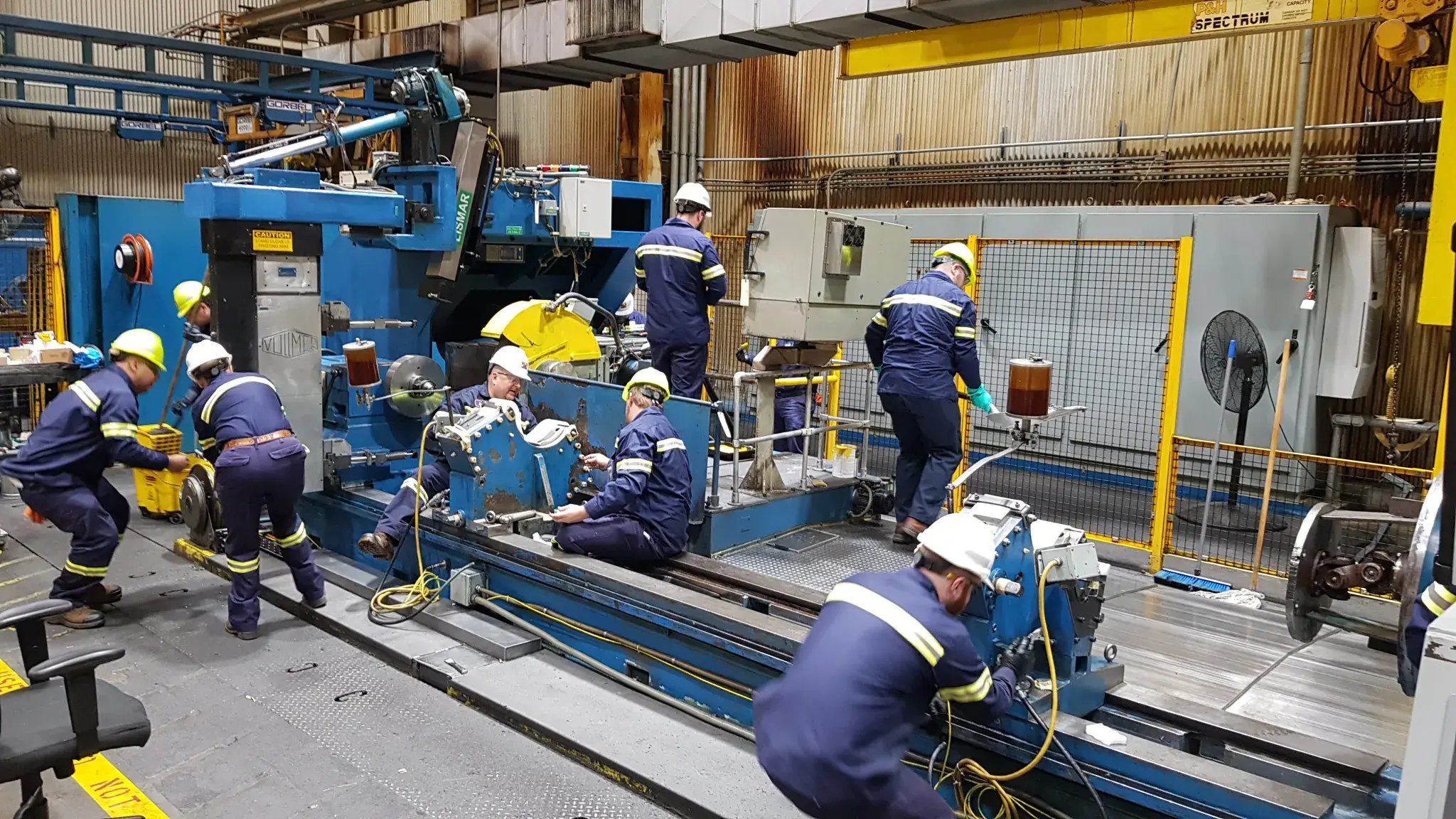
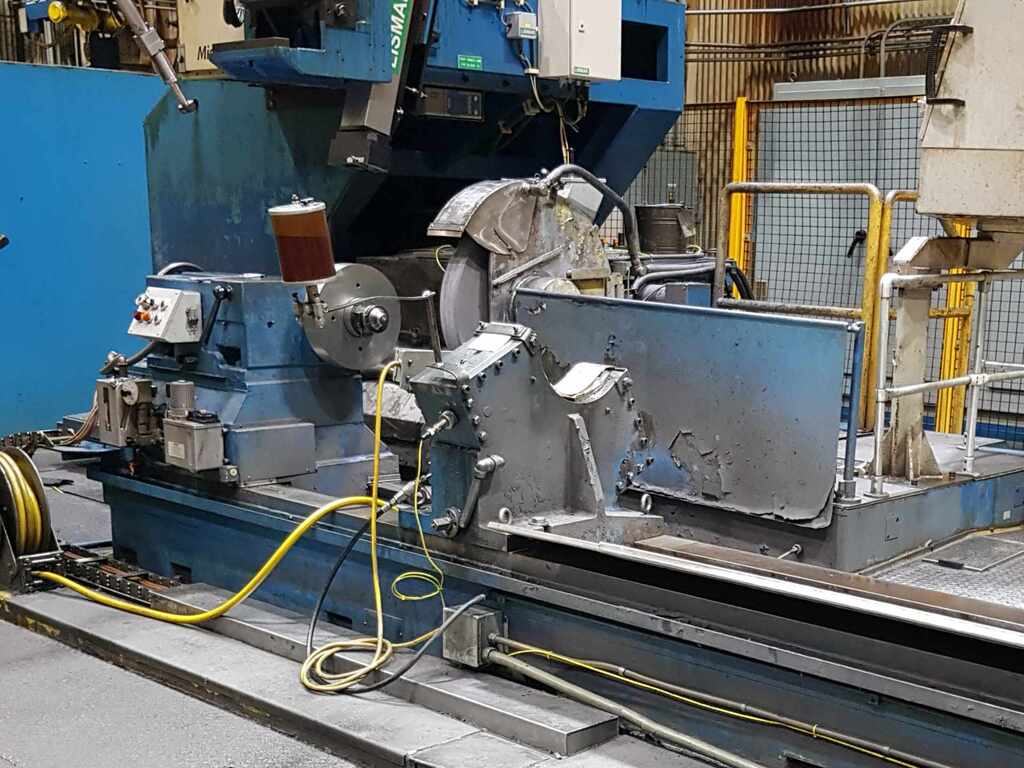
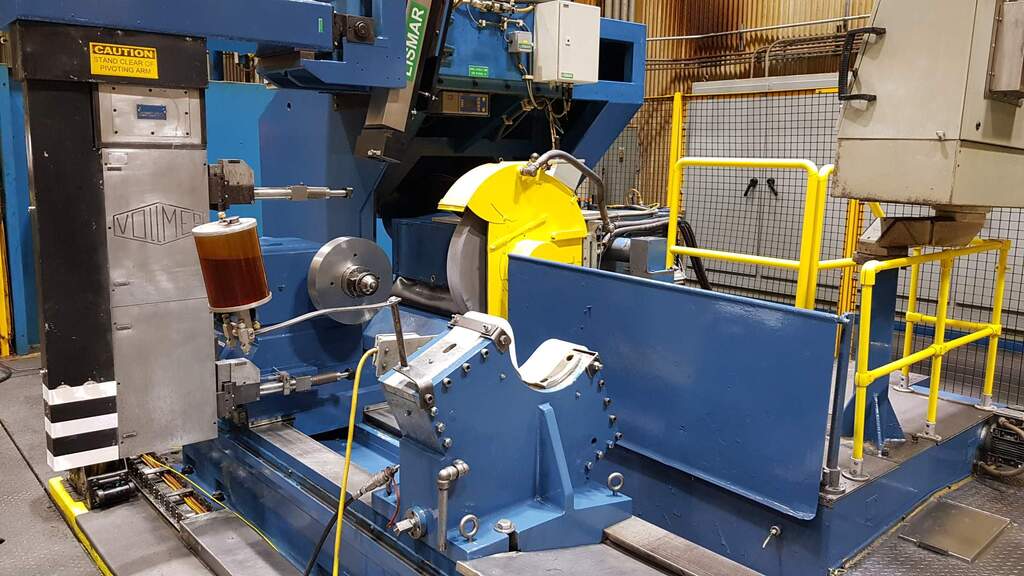
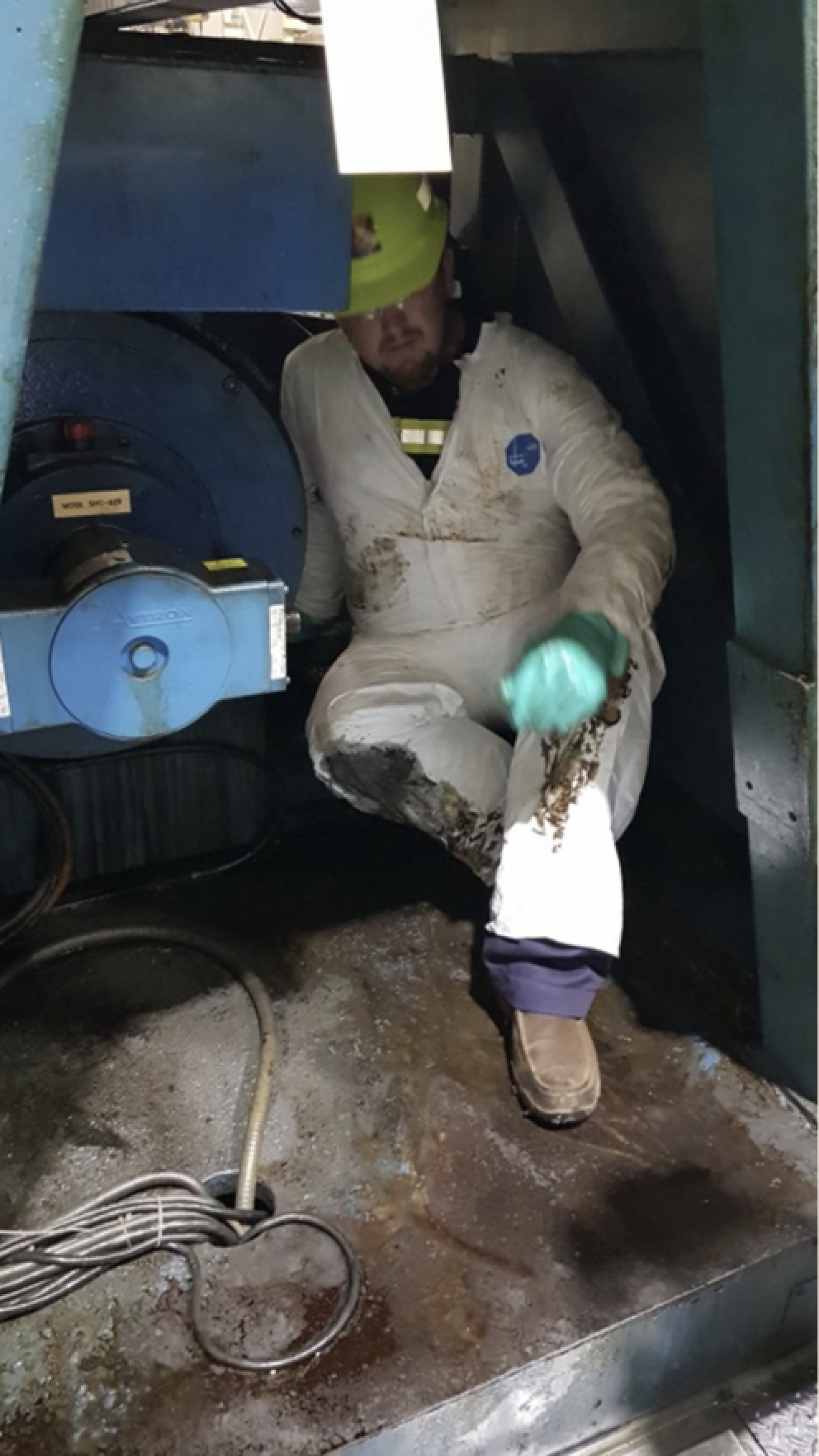
Immersive workshops develop capability while restoring equipment and processes to baseline condition and converting abnormalities and lessons into standards, ownership, and routine management.

We also design organizational roles, process flows, routine management, training, and skill validation for Continuous Improvement, Project Engineering, and CapEx functions.

WCM · TPM · AUTONOMOUS MAINTENANCE · 5S · FMEA · SMED · DMAIC · SKILL VALIDATION
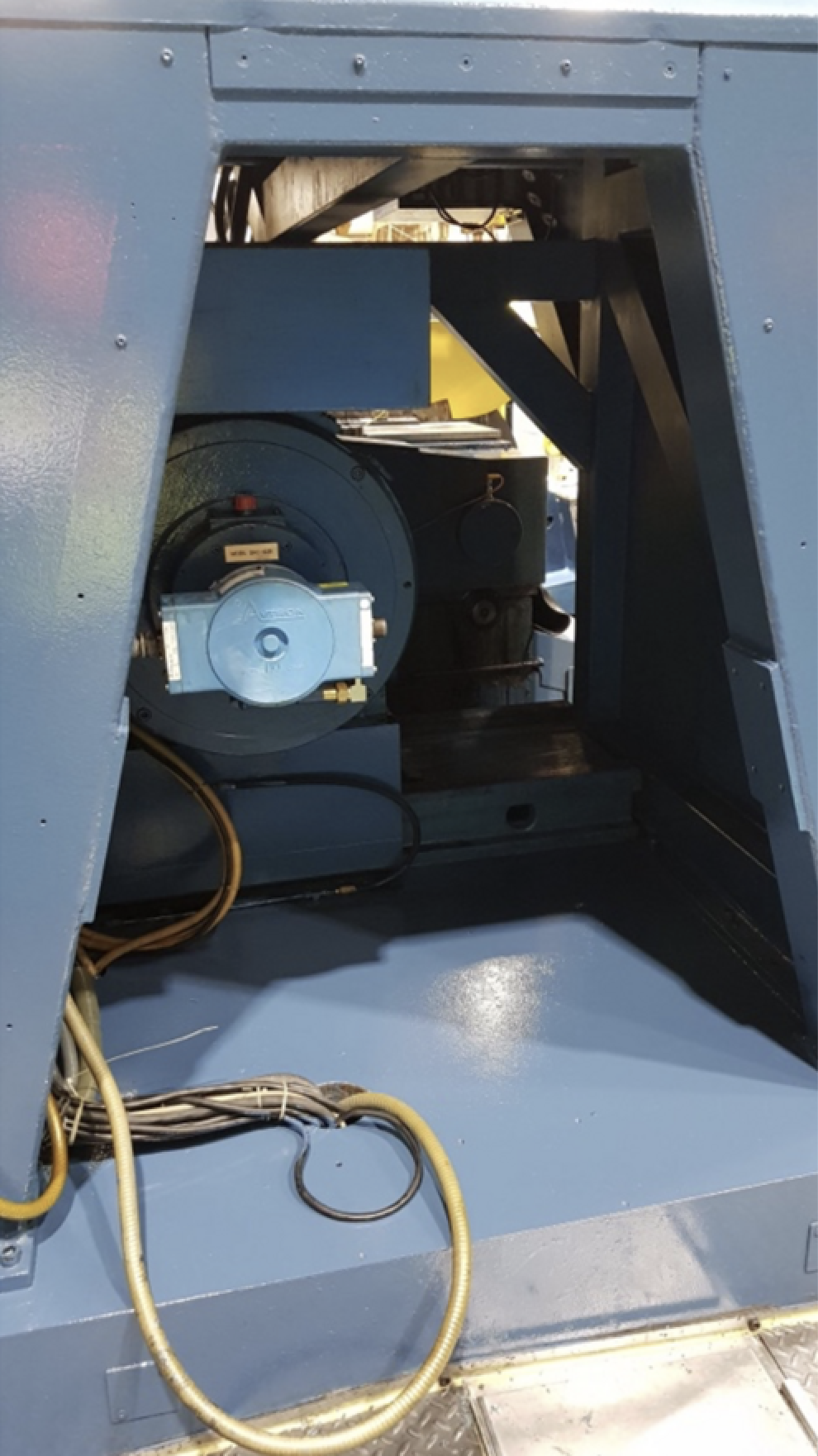
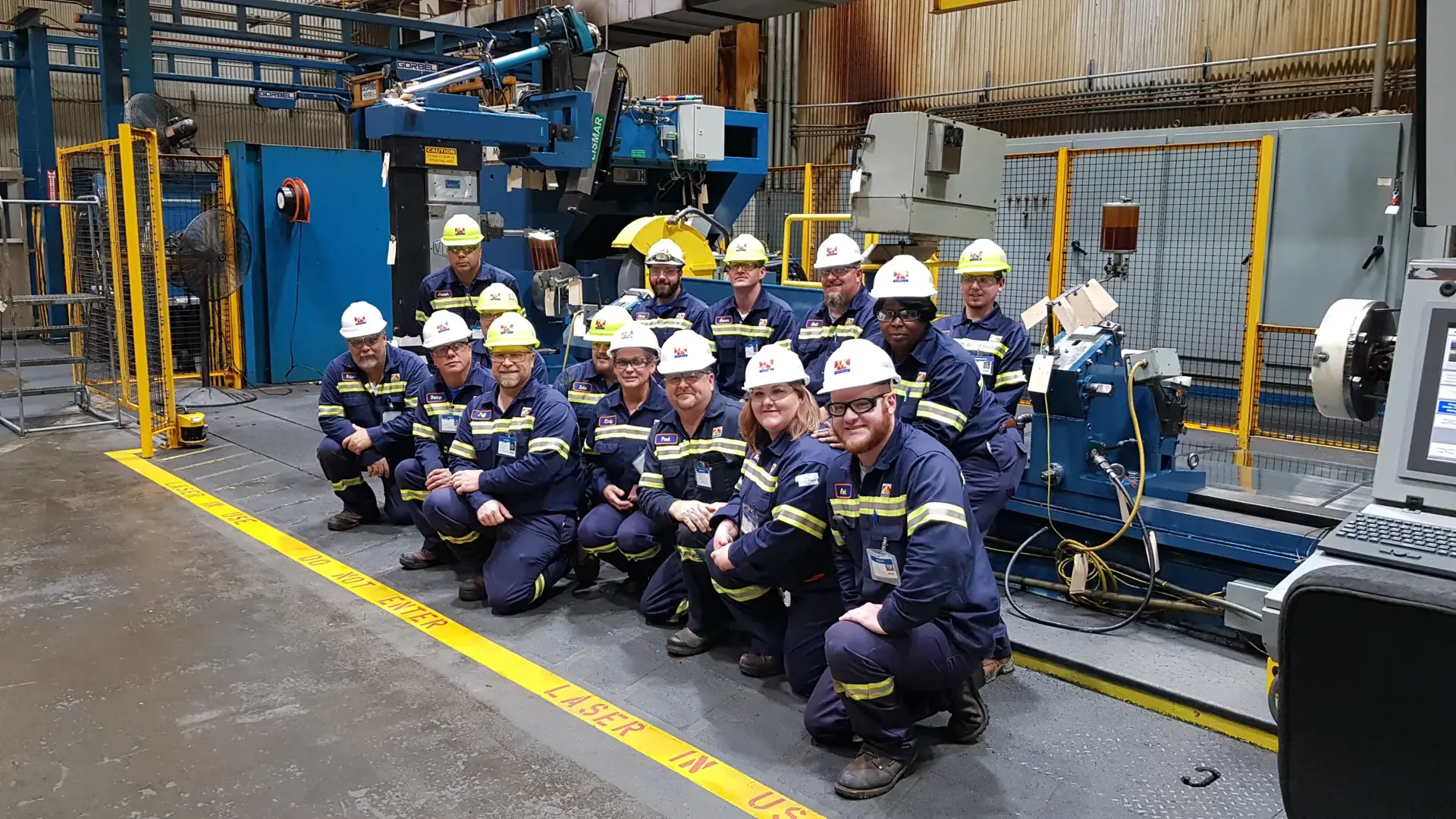
Autonomous Maintenance workshop team restoring industrial equipment
Hands-on Autonomous Maintenance workshop

CapEx Project Delivery

Greenfield & Brownfield Vertical Startup

Coordinate construction, operational readiness, and startup as one integrated plan.

Develop cross-functional Work Breakdown Structures that align construction with the workforce, procedures, maintenance systems, materials, suppliers, validation, and other requirements needed for operational readiness.

Support execution through project management, phase gates, DfX design-review checklists, equipment acceptance, workforce development, startup validation, and structured feedback that improves future CapEx projects.

WBS and critical-path planning
FAT, SAT, and pilot runs
Workforce and training readiness
Supplier, materials, and inventory readiness
RCM and CMMS work processes
Project Defect Analysis and post-mortems
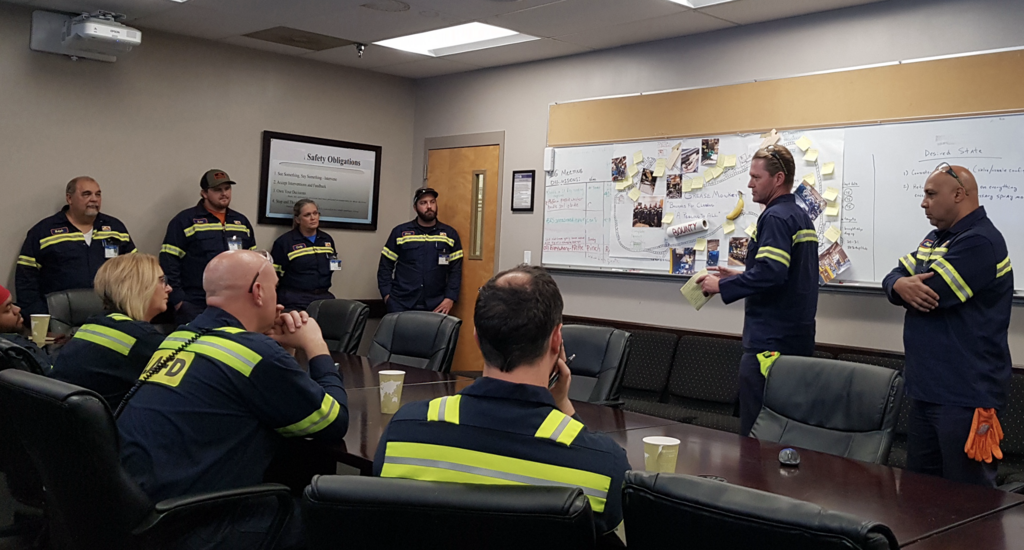
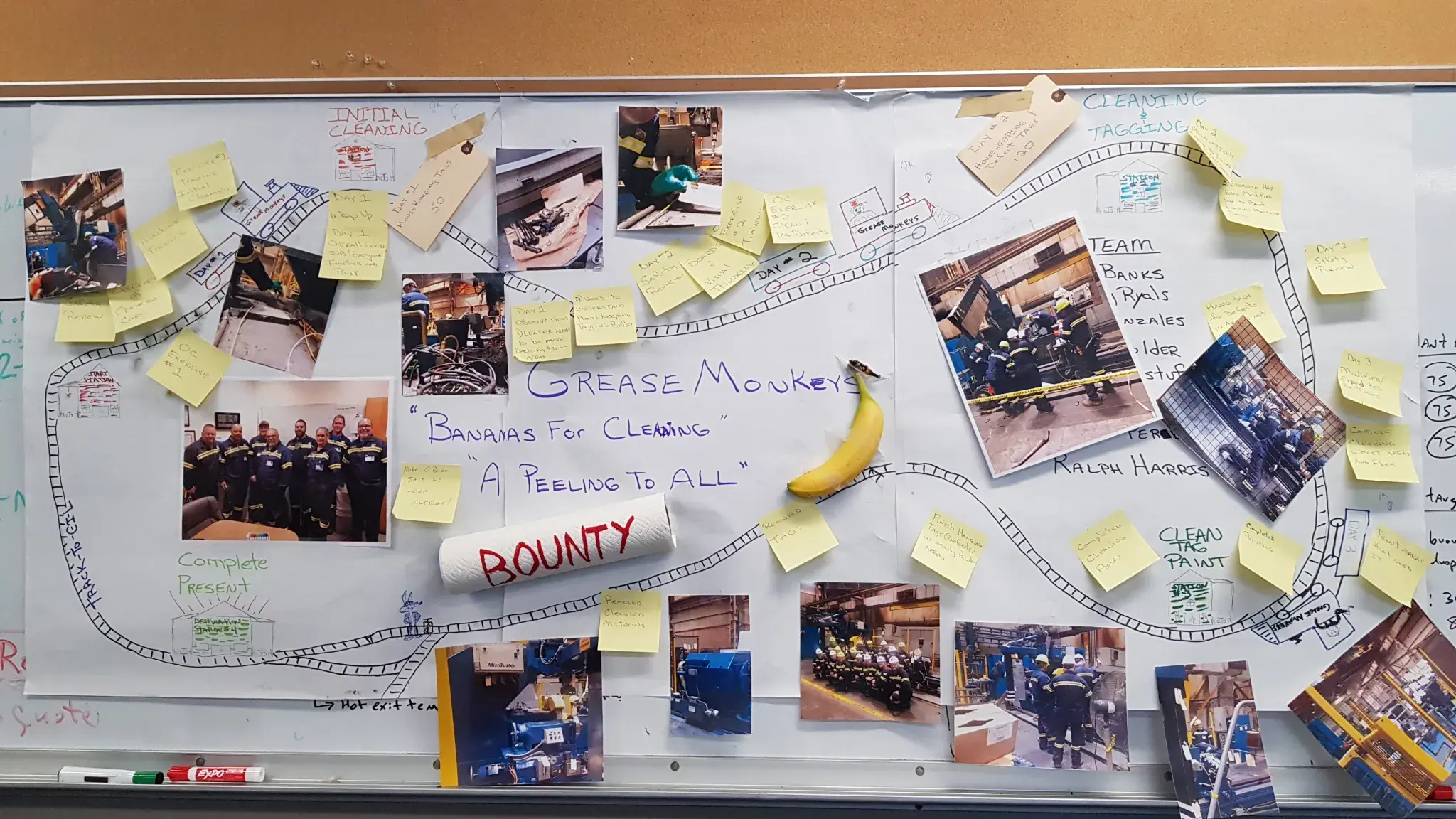
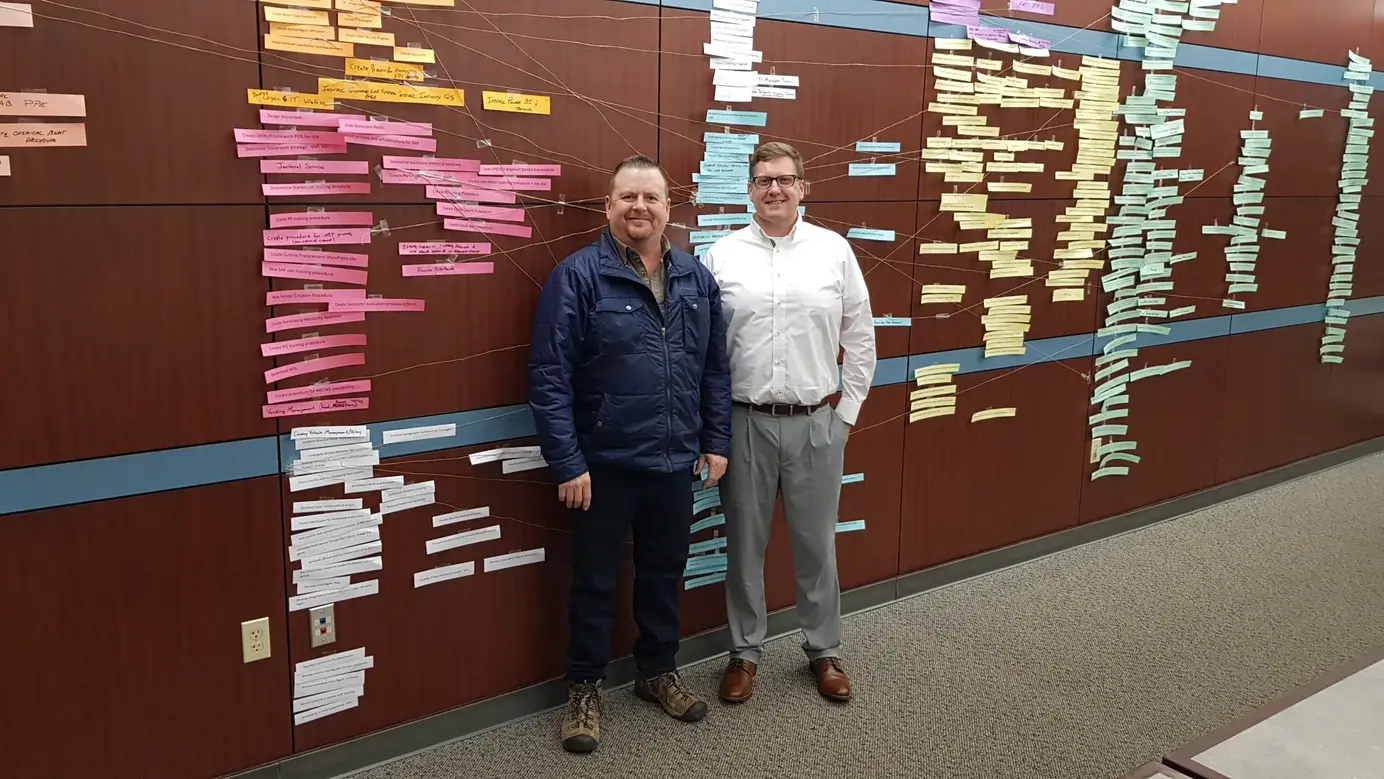
Cross-functional team in front of an affinity diagram used to develop a vertical startup Work Breakdown Structure and execution plan
Cross-functional affinity diagramming used to develop the construction and operational-readiness Work Breakdown Structure and integrated execution plan.

Process Improvement

Process Optimization

Redesign the process—not just the metric.

Improve manufacturing, supply-chain, administrative, and other business processes through current-state analysis, targeted kaizen, procedural design, training, and control.

  • Process mapping, stakeholder analysis, and loss identification
  • Kaizen from charter development through control
  • Company-specific procedures and review methods
  • Training and routine-management systems
Asset Reliability

Reliability Centered Maintenance

Match maintenance to risk, consequence, and cost.

Develop asset strategies, systems, and technical capability that improve reliability without defaulting to unnecessary maintenance activity.

  • RCM program design, training, and implementation
  • SAP and other CMMS architecture and work processes
  • PM strategies, failure codes, MTBF/MTTR, and cost reporting
  • NDT and condition-based monitoring programs

Advanced Analytics

Simulation Modeling

Model uncertainty before committing resources.

Use Monte Carlo and discrete-event simulation to evaluate capacity, bottlenecks, sequencing, equipment requirements, spares, and expected operating performance.

  • Monte Carlo model design, analysis, and reporting
  • Bottleneck, capacity, and KPI forecasting
  • Production sequencing and resource optimization
  • AnyLogic models delivered as executable Java applications

Applied across our services

Private, Air-Gapped AI

Design for X™ operates a proprietary AI knowledge system built on a locally hosted open-source LLM in a dedicated air-gapped environment. When authorized for an engagement, it can apply our methodologies and technical knowledge to client work without transmitting project information to an external AI provider. Client information remains segregated and is not used to train the model or expand our permanent knowledge base.

Local processing No external AI transmission
Client data segregation No incorporation into our permanent knowledge base
Client-controlled AI DfX knowledge can be structured for client LLM environments

U.S. defense work: FCI/CUI/CTI designation, contract requirements, and the applicable system boundary govern use.

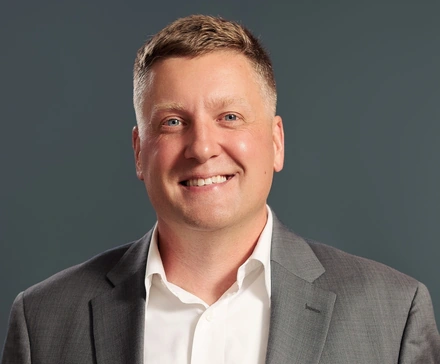
Noah O’Brien, Technical Director of Design for X

Noah O’Brien

Technical Director, Design for X™

“It’s common to enter a plant and see ‘pockets of excellence’ in place of uniform excellence. There’s often a semblance of continuous-improvement foundational concepts, but the intent and subsequent organizational culture have been completely lost.

I’ll see more effort placed on programmatic spreadsheets than on restoring and sustaining equipment and processes in their baseline condition—a guaranteed death certificate for any corporate operational excellence program. True loss eradication requires the proper design of the methodologies and experiential learning techniques to produce the profound knowledge needed for execution.”

Background

Noah began his manufacturing career in the field of reliability engineering before moving into continuous improvement and the development and implementation of manufacturing systems for international industry leaders. His Master of Science in Engineering capstone applied Monte Carlo simulation modeling to manufacturing-process optimization.

TPM / WCM Master-Apprentice Lineage

Seiichi Nakajima → JIPM (Fumio Gotoh) → Toyota Auto Body (Tsutomu Murata) → Procter & Gamble (Technical Director) → Noah O’Brien / Design for X™

Direct transfer of methodology through hands-on implementation and master-apprentice teaching.

Contact

Contact us for a consultation on how we can facilitate your world-class manufacturing journey.